
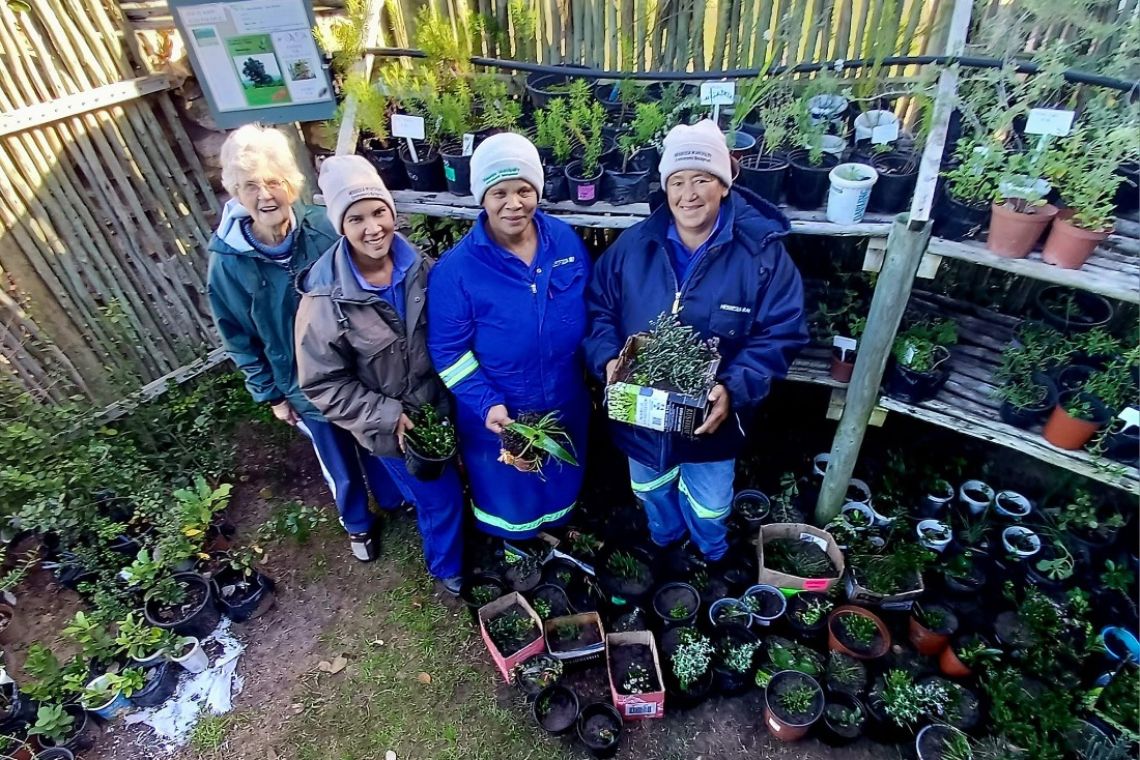
In the fourth part of the Women Who Keep the Wild Alive series, we meet Naomi van Schalkwyk, whose various decades of botanical expertise have helped preserve and promote the fynbos of Still Bay and Hessequa. Her story brings us back to the importance of place: understanding and appreciating the plants, soils, and history of a landscape - and what makes it special.
Naomi van Schalkwyk - Still Bay Herbarium & Tuin op die Brak - ‘Doyenne of the Cape Floral Kingdom’
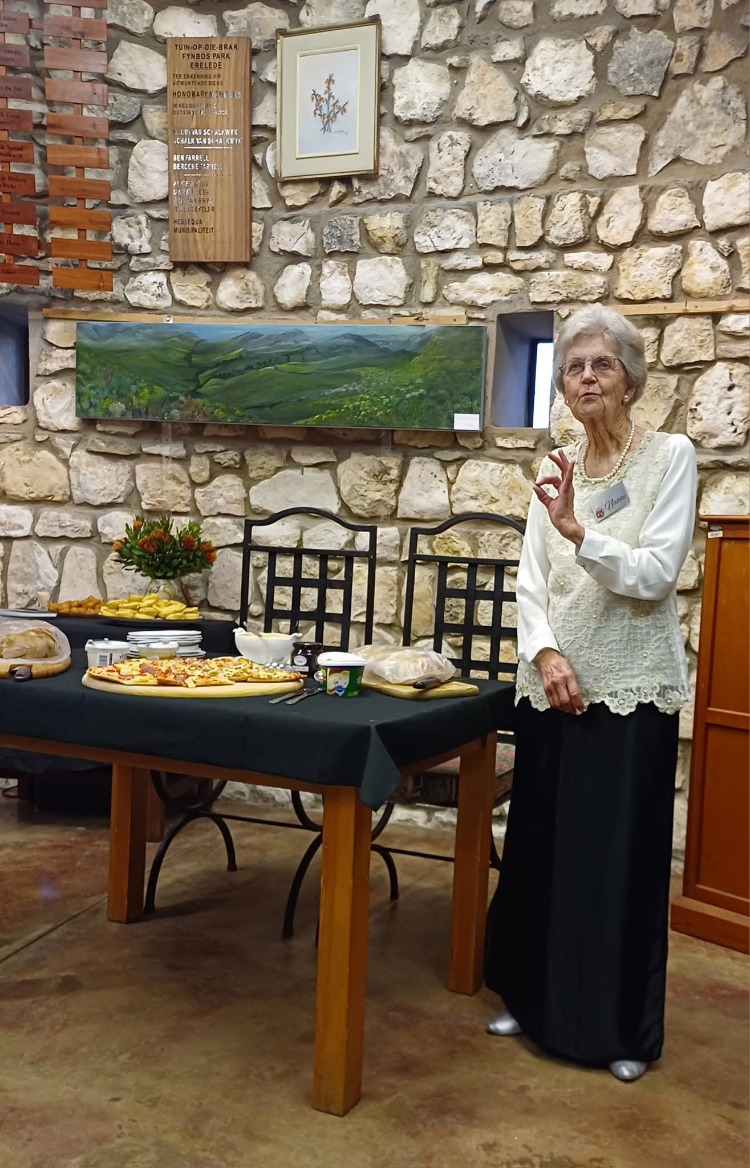
At age 86, soft-spoken Naomi van Schalkwyk has earned the respect and esteem of those in the Hessequa region as an expert in indigenous botany and fynbos conservation. The humble octogenarian is widely known in the Still Bay community for her efforts in identifying and preserving indigenous species at the herbarium, and educational programmes at the landmark Tuin op Die Brak fynbos park, which she jointly curates.
Matriculating in Bellville, Cape Town, she earned a Bachelor of Science degree in botany, zoology, mathematics, and chemistry at the University of Pretoria, later teaching at the University of Potchefstroom before working for two years at the National Herbarium in Pretoria. In the early days of her career, distant from the south coast, she worked mainly on woody plant species from Mozambique and Swaziland, furthering her interests in the genus, noting that she rarely had anything to do with fynbos at the time, as these species are largely endemic to the Cape region and certainly weren’t a feature of the old Transvaal.
Retiring in 2005, her property in Still Bay was bordered on either side by the Pauline Bohnen nature reserve, enhancing her exposure to the local biodiversity. And so, when the residents' association eventually leaned on her botanical expertise and asked her to beautify a piece of land next to the main street in town, she insisted that it be done exclusively with indigenous plants. As she watched formerly dense growths of indigenous plants such as proteas, pincushions, and cancer bushes dwindle under the pressure of olive tree plantations, the result was the establishment of Tuin Op Die Brak (‘garden on the brack’), named for growing on the region's distinct brackish, limestone-rich alkaline soil.
Naomi said, “At the start there was an older herbarium with around 2,000 samples collected that was given away to the Compton Herbarium at the Kirstenbosch National Botanical Garden, which we were not able to reclaim. With the help of Christina Mars, we were able to begin a new herbarium which is still a non-profit organisation, surviving monetarily by the sale of cultivated plants and by donations.” “We’ve also advocated for the implementation of stringent environmental impact assessments on new building developments in the area, campaigning against construction efforts before these aspects have been diligently examined,” she continued.
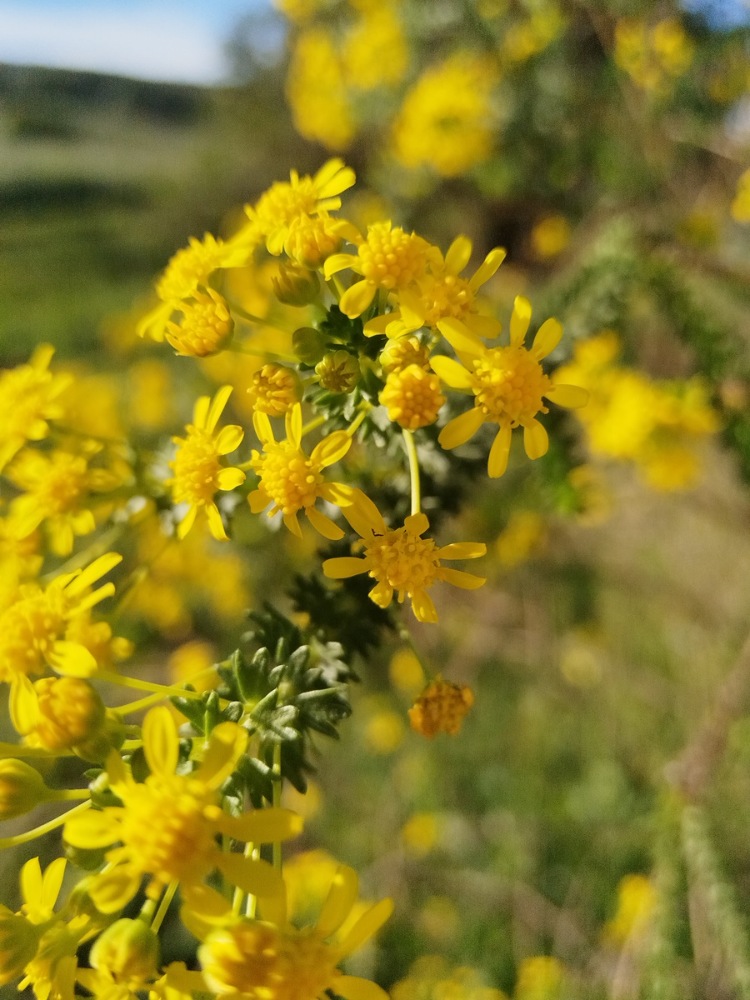
In the intervening years, she wrote a volume titled The Layman's Guide to Common Trees of Hessequa, pointing out that “Hessequa” is in fact a Khoi word meaning “people of the trees”, indicating that forests were historically much more common in the region - before the land was denuded by agricultural practices and urbanisation, and beset by invasive alien plant species. She also wrote a book titled Fynbos for Stilbaai Gardens, stating vehemently that “if something grows on the ‘brack’ then that same thing will grow in people’s home gardens.”
Asked about her ideas on conservation, she shared, “Keep in mind that Hessequa is the smallest subdivision of limestone fynbos in the overall region and a centre for these specially-adapted indigenous species, with a high degree of endemism in a small, concentrated geography. That’s why our plants are so important, and why endangered species among plants that occur only here are such a significant concern.”
“We have to remember that when it comes to biodiversity, we can never get back what we lose. When a plant species goes extinct, then we simply won’t have it anymore. We must save what we can’t get again, and it's much better to safeguard species rather than to allow them to be ruined. A lot of human development is happening in certain parts of the Western Cape, and even in our own town we must try and limit, especially coastal urbanisation - where we can witness the progressive eradication of indigenous growths.”
Speaking pensively on changes she would like to observe in our perceptions of nature, she said, “I just wish there were a lot more people who have a passion for our plants. Our flora is unfortunately unnoticed by so many who otherwise enjoy seeing big game animals such as lions and elephants - though we should save a thought for the fact that plant life underpins everything, and these large animal species would not and could not exist without the ecosystems that support them. I would also like to see more sympathy for the value of conservation work and funding flowing into this sector.”
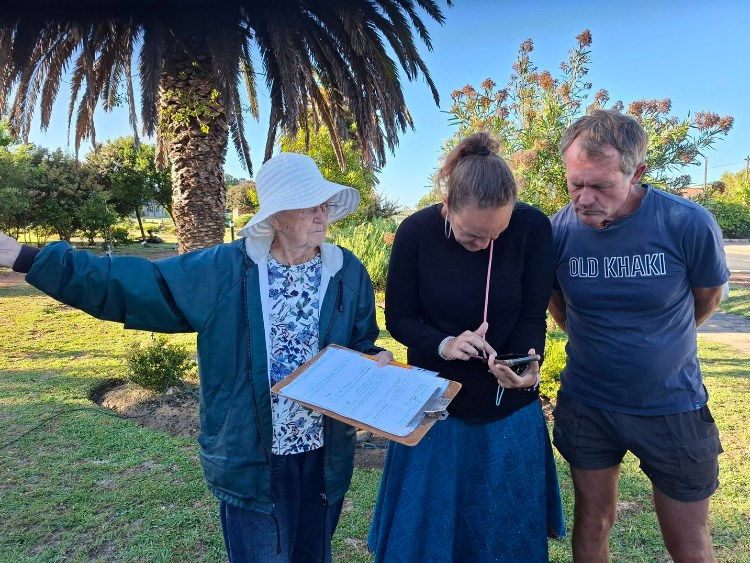
“There are six floristic regions in the world, and the five large regions of these each stretch over more than one continent. The smallest by far is the Cape floristic region, the only one contained on a single continent and relative to our surface area we have the most biodiversity - making ours such a unique place, and people don’t realise what treasures we have here. For the governments of the past, conserving our indigenous species was not a priority, and there is a lot that remains to be done and improved, such as appealing more to international visitors to delight in our beautiful fynbos and not only the famous fauna,” she continued.
“As for inspiration,” she opined, "conservation is not necessarily a high-paying career, but it enriches your soul beyond any doubt, making you realise the wonders of nature and the incredible way in which ecosystems fit and function together. We are all connected when it comes to nature. We all need to learn our place, and a single individual person is not that important in the grand scheme of things. We, as humans, do not sit on the throne of creation. If you open your heart to nature, it will be very rewarding. Comparable to the fulfilment of watching a child grow into a mature adult, the work of a gardener is never done until the seeds that were planted grow taller than you are.”
Naomi’s perspective brings a powerful sense of urgency. The biodiversity of Hessequa and the Cape Floral Kingdom is not an unlimited resource; once an endemic species disappears, it cannot simply be replaced. Her decades of work demonstrate the value of local expertise, indigenous plants and patient stewardship - and the need to recognise the extraordinary botanical heritage on our own doorstep before it is too late.

