
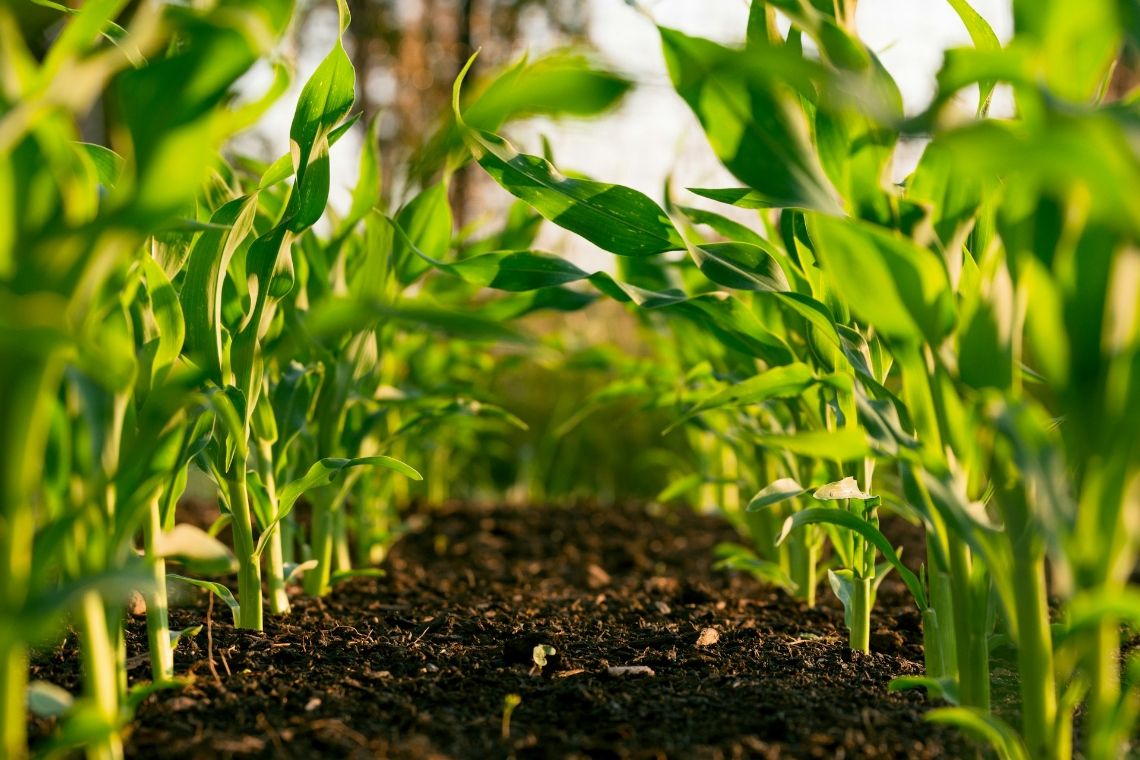
Food and wildlife shape one another more than most people realise. Every meal connects back to landscapes, habitats, and choices. Across the world, farmers, researchers, and conservation groups are exploring how productive farmland can also support healthy soils, cleaner water, pollinators, and thriving ecosystems.
Instead of being merely places that produce food, farms can become living, breathing landscapes. Farming has a huge impact on the world, and you have the power to make its outcome positive by supporting biodiversity while putting nutritious food on your table. It all comes down to where your food comes from and what kind of landscape it grows in.
The Environmental Impact of Modern Farming
If you value biodiversity, you must look closely at how your food is made. The revolution in modern farming, with its powerful machinery, advanced irrigation, and specially developed crops, has achieved incredible things. These innovations have led to a boom in food production so that farmers can feed a world with a growing appetite. However, this success has come at a price, dramatically reshaping the natural world in the process.
Land conversion remains one of the clearest examples of this impact. Forests, grasslands and wetlands are often converted to agricultural land, changing migration routes, reducing habitat, and shrinking food sources for wildlife. The World Bank views agriculture as a primary threat to natural habitats, also finding that farmland with less than 20%-25% of natural habitat preserved loses the benefits of natural pollination, water filtration, and soil fertilisation.
You’ll also see environmental change below ground. Repeated cultivation, limited plant diversity, and heavy soil disturbance reduce organic matter and weaken soil structure over time. While many farmers already practise crop rotation to mitigate nutrient loss from their land, more must be done to ensure adequate soil stewardship. Once topsoil erodes, recovery takes 26 years or more.
The chemicals used in farming also have a powerful impact. While fertiliser increases crop growth, it often seeps into the surrounding land. Heavy rain can wash it into rivers and streams, poisoning the water and the life within it. In the same way, pesticides don’t just kill the "pests." Chemicals can harm entire insect populations, including the vital pollinators that many food crops depend on.
Food availability and the planet's health are two sides of the same conversation, and you have a voice in the matter. True biodiversity in land management means growing enough for an expanding population without destroying the ecosystems on which production relies. You don’t have to be a farmer to be part of the solution. The choices you make in the supermarket aisle send a powerful message about the kind of agriculture you want to support.
Shifting Toward a Nature-Positive Approach
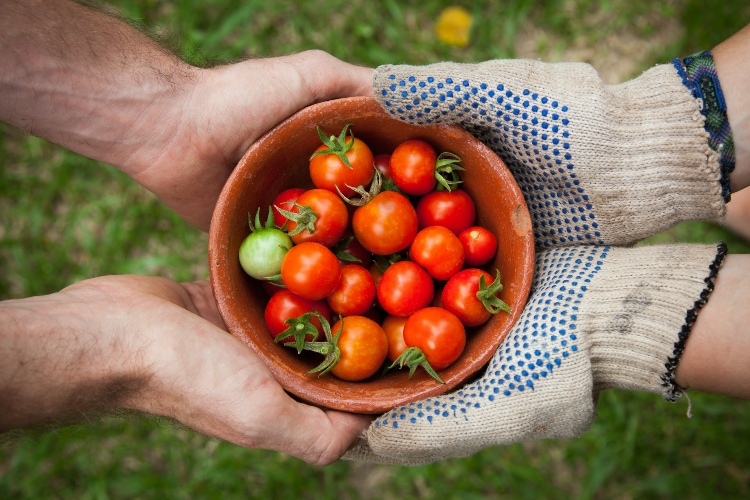
Farming can adapt by working with nature, not against it. This approach, often called "nature-positive" farming, is built on the principle that healthy ecosystems create stronger, more resilient farms. It embraces the idea that food production and conservation are linked.
A farm can become a complete and interconnected system, where healthy soil, clean water, and thriving wildlife are as vital as the crops themselves. In this model, success is not measured solely by harvest size, but by the health and vitality of the entire landscape.
For consumers, supporting farmers who follow this method can change the future of farming. A productive field can also support pollinators. Grazing land can provide habitat, and agricultural success and ecological recovery can move in the same direction.
By considering the natural environment and long-term impacts, farming can increase ecosystem resilience and strengthen the benefits people receive from healthy ecosystems. In practise, it may mean restoring ecological functions that older landscapes provided naturally, such as water filtration through wetlands, nutrient cycling through composting, and carbon storage through green rows and natural immunity through species diversity.
Key Methods for Sustainable Agriculture
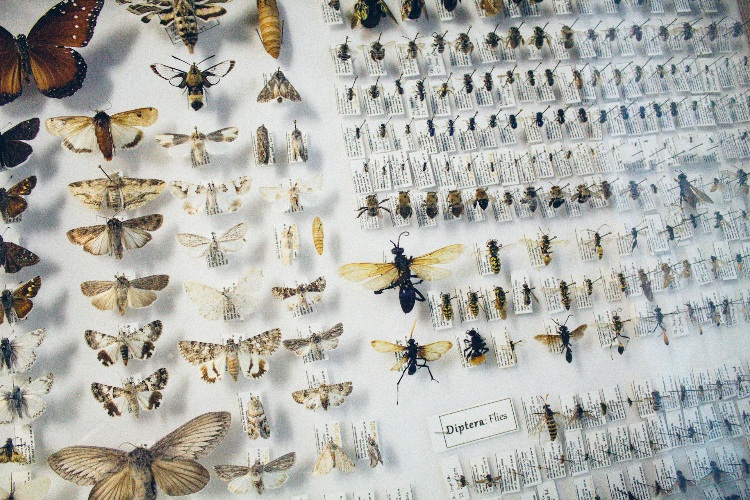
A key strength of nature-positive farming is its flexibility. Farmers can combine a range of techniques to create an approach that is tailored to their specific environment. This creates productive farmland that also supports a high level of biodiversity, resulting in a healthier and more balanced landscape.
-
Integrating Trees and Crops with Agroforestry
Agroforestry is a viable alternative to the commercial practice of tilling acres of fields. The approach strategically integrates trees with crops or livestock, creating a system where nature and production work in harmony. The trees help maintain soil moisture and essential nutrients, improving crop and animal health.
The combined landscape functions like a natural ecosystem, providing practical benefits to the farmer. Mindful practices like alley cropping, where rows of trees grow alongside crops, and silvopasture, which allows livestock to graze on forage beneath a tree canopy, are examples.
Trees contribute more than shade. Their roots stabilise soil and improve nutrient movement, while the canopies soften temperature extremes. Lush branches create habitat for birds and beneficial insects. Many farmers also gain additional harvests through fruit, timber, or speciality products, creating a more diversified farm income.
-
Rethinking Pest Control with Integrated Management
An efficient approach to pest management is gaining popularity. Instead of relying on broad chemical treatments, Integrated Pest Management (IPM) uses a more observant and targeted system. IPM combines careful monitoring, biological controls, and highly selective interventions.
Farmers monitor their fields and intervene with pesticides only when necessary. Alternatives to whole-crop spraying could involve introducing natural predators to control pests, adjusting planting times or building habitats that encourage a natural balance. If pesticides are needed, products are applied with targeted precision, eliminating specific pests without affecting beneficial species.
Working with nature turns insects like ladybirds, lacewings, and wasps into valuable allies. IPM protects vital pollinators, such as bees, which are essential to many crops. By safeguarding these populations, the agricultural system becomes stronger and more resilient. IPM treats biodiversity as a fundamental partner in a healthy and productive farm.
-
Creating and Protecting On-Farm Wildlife Habitats
Creating space for wildlife can be seamlessly integrated into the existing farm landscape. Many of these features use areas that are not in active production.
For example, cultivating buffer strips of native plants along waterways helps reduce soil erosion while offering safe corridors for insects and animals. Native hedgerows create valuable shelter and nesting sites for birds, helping reduce insect populations, while dedicated wildflower plantings ensure a continuous food supply for pollinators, keeping them in the area. Each of these individual elements contributes to a healthier, more connected ecosystem.
The collective impact of thoughtful changes is unmistakable. Bird populations thrive with more feeding areas, pollinators benefit from longer flowering seasons, and water quality improves. This approach shows how widespread ecological health can begin with simple design choices, repeated across many farms to create a large-scale positive impact.
-
Improving Soil with Cover Crops and Conservation Tillage
Healthy soil supports almost every sustainability goal. Cover crops such as rye, clover and vetch protect soil between growing seasons. Their roots reduce erosion, improve structure and increase organic matter.
Conservation tillage takes a similar approach with minimal soil disturbance. Low-till and no-till planting methods maintain soil biology and retain carbon in the soil, while protecting the new crops from pests and moisture loss. Farmers who preserve soil structure support water infiltration and moisture retention in fields, creating resilience during climate change.
Soil health remains the foundation of a healthy farm ecosystem, but the release of carbon from decomposing plant matter during soil tillage is another consideration. When fields are planted without tilling or with minimal tillage, oxygen struggles to reach the soil's organic matter, which prevents carbon release and increases carbon sequestration.
No-till or low-tillage production has steadily gained popularity for decades. In the United States, farmers applied this method to 76% of their corn acres in 2021. For other major cash crops, including soybeans and wheat, the majority of acreage is planted using conservation tillage.
-
Conserving Water Through Smart Irrigation
Water shapes every part of agricultural ecosystems. Modern irrigation techniques focus on precision, so crops receive what they need while reducing wastage.
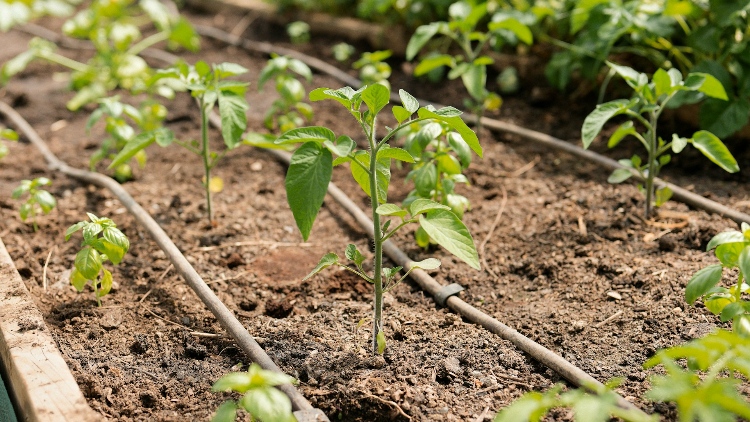
Drip irrigation delivers water directly to the root zone, with greater precision and reduced water consumption. Tests in the United Kingdom have shown a 40% reduction in water requirements for potato crops using drip irrigation.
Efficient water management is vital to sustainable farming, and technology plays a direct role in this regard. Soil moisture sensors, for example, provide precise, real-time data that allows farmers to irrigate only when the crop requires it, reducing water waste. This modern approach pairs with proven practices, such as mulching, to keep the soil cool while reducing evaporation.
The positive effects of efficient water use go beyond the farm itself. It reduces the overall demand on local water sources, protecting the health of nearby rivers and wetlands and the wildlife that depends on them. It serves as a clear example that water conservation and biodiversity are not separate goals, but deeply interconnected parts of a single, holistic system.
The Nuances of Powering a Greener Farm
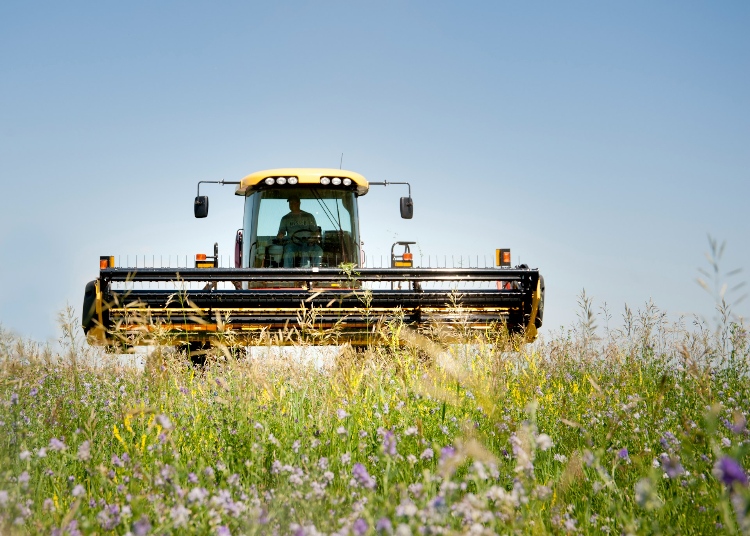
Farm machinery presents one of agriculture’s toughest sustainability questions. Large equipment still relies heavily on liquid fuels, which creates growing interest in lower-emission alternatives.
One option is hydrotreated vegetable oil (HVO) fuel as a replacement for conventional diesel. Made from used seed oil, crop excess and animal fat, this biofuel is a drop-in alternative for many diesel engines. It offers practical advantages, as farmers can continue using existing equipment. HVO is fossil-free and can reduce lifetime greenhouse gas emissions by up to 90%, especially when sourced responsibly.
However, sourcing matters because environmental outcomes depend heavily on the feedstock. Verified waste oils create a different impact profile compared with agricultural feedstocks linked to land expansion. While HVO has less of an odour than fossil-fuel-based diesel when used, how it is made still matters. Sustainable innovations work best when there are no unseen environmental impacts from expansion-based sourcing.
Real-World Examples of Biodiversity-Friendly Farms
Biodiversity ideas already exist beyond pilot projects. Traditional Dehesa landscapes in Spain and Portugal combine grazing with scattered tree systems that support livestock, birds, and native species. These landscapes remain among Europe’s strongest examples of agrosilvopastoral agroforestry systems in practice, but tree deaths and erosion threaten them.
Across parts of the United Kingdom, regenerative farms expanding cover crops, reducing tillage, and restoring field margins have shown stronger soil performance and increased pollinator activity. Government programmes also continue to evolve by enforcing protective environmental measures for trees and woodlands, like better woodland pasture management. These examples show what becomes possible when biodiversity forms part of the design.
Your Role in a Greener Food System
Your impact on a more sustainable food system is more significant than you might imagine. It begins with curiosity and a desire to understand the story behind your food.
Engage with local growers at places like local food markets. Ask them how they manage their land and conserve resources, such as soil and water. When you shop, choose to support brands that are transparent about their operations and clearly state their sourcing policies, biodiversity goals, and commitment to responsible land stewardship.
Every food purchase is an investment in a particular style of farming, a specific landscape, and a set of environmental priorities. When you consistently make thoughtful choices, you create the commercial demand that empowers farmers to cultivate healthier ecosystems. Your decisions provide the support they need to feed communities while building a more resilient and sustainable world.


