Forests filter water, store carbon, shelter wildlife and supply the timber, paper, and building materials modern life depends on. That creates a real tension — the same forests people rely on for resources are the ones that need protecting most. Sustainable forestry exists to resolve that tension by changing how harvesting happens and what gets left behind.
Why Sustainable Logging Sounds Like a Contradiction
At first, the idea of sustainable logging can seem like a contradiction in terms. If a tree is cut down, it is gone, so how can cutting trees be part of protecting a forest? The answer lies in the difference between extraction and destruction.
Conventional clear-cutting removes everything in a given area, leaving behind bare soil, broken ecosystems, and habitats that can take generations to recover. Sustainable forestry treats the forest as a living system to work with carefully.
What Sustainable Forestry Actually Means
Sustainable forestry manages forests in a way that meets current demand for timber and other forest products without compromising forest health for future generations. That means maintaining biodiversity, protecting wildlife habitats, preserving soil quality, and keeping watersheds intact.
Healthy forests are important because they support thousands of plant and animal species, regulate local climates, and provide clean water to surrounding communities. Forest tree roots hold soil and prevent erosion, while the forest floor absorbs rainfall and filters out sediment and pollutants before water reaches rivers and aquifers. When the wrong tree species are removed or soil is disturbed during harvesting, those root systems are lost, runoff increases and sediment enters waterways, degrading water quality downstream.
Sustainable forestry manages all of that, including the trees and the broader ecosystems they support.
Why It Matters Beyond the Forest
The consequences of unsustainable logging reach well beyond the tree line. When forest cover is lost, soils erode, water cycles are disrupted and the habitats that support biodiversity collapse. Carbon stored in their soil and biomass is released back into the atmosphere.
Forests store it in two places — in the biomass of the trees themselves and in the soil beneath them, where centuries of decomposed organic matter accumulate. When trees are felled irresponsibly and the soil is left exposed and disturbed, both sources release carbon back into the atmosphere as CO2, while the forest's capacity to absorb future emissions disappears with it.
According to the FAO's Global Forest Resources Assessment, the world lost an estimated 489 million hectares of forest to deforestation between 1990 and 2025. In the last 10 years, progress regarding deforestation has been made, but the current rate remains too high to stabilise the ecosystems that billions of people and species depend on.
For anyone who cares about sustainability, the forestry industry is a direct link between everyday products and the health of the planet's most biodiverse ecosystems.

What Sustainable Foresters Need to Focus On
Responsible harvesting requires attention to several interconnected priorities. Each addresses a different way that harvesting can either harm or coexist with the natural systems a forest depends on.
Choosing Selective Harvesting Over Clear-Cutting
Selective harvesting means removing specific trees based on species, age, health, and location rather than clearing an entire area at once. This approach preserves the forest's canopy structure, protects understory plants, and allows remaining trees to continue supporting the wildlife and ecological processes that depend on them. It is slower and more deliberate than clear-cutting, but it leaves the forest functional rather than devastated.
Protecting Wildlife Habitats and Biodiversity
Sustainable foresters designate buffer zones around sensitive areas like streams, wetlands, nesting sites, and corridors that animals use to move through the landscape. Endangered species receive additional protections, and harvest plans account for the presence of rare plants and animals before any equipment enters the area. Biodiversity is a core measure of whether a forest remains healthy after harvesting.
Maintaining Soil and Watershed Health
Soil and water are the foundation of everything a forest produces and everything it protects. The dirt is a living system of microbes, fungi, and organic matter built up over decades, holding nutrients, anchoring roots, and absorbing rainfall before it reaches rivers and streams.
When irresponsible clear-cutting removes that canopy cover all at once, the soil is left exposed. Without roots to hold it in place, rainfall runs off the surface rather than soaking in, carrying sediment into waterways, stripping nutrients from the land, and destabilising the microbial communities that make regrowth possible.
That sediment travels downstream, reducing water quality in rivers and streams that communities and wildlife depend on. Biodiversity loss follows the same chain. Species that depend on old trees, deep canopy, and undisturbed soil lose their habitat because the trees are gone and the conditions that support the whole ecosystem have changed.
Responsible foresters plan equipment routes to minimise ground disturbance, maintain vegetation along waterways, and avoid operating in wet conditions when soil damage is most likely. Protecting the watershed protects everything downstream.
Working Efficiently to Minimise Disturbance
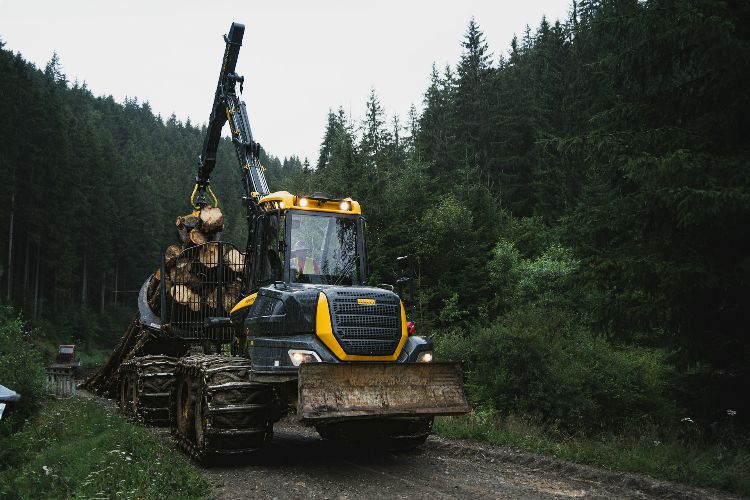
Every hour a harvesting crew spends in a forest is an hour of noise, ground pressure, and habitat disruption. Operational efficiency is one of the most ecologically important priorities in sustainable forestry. The faster a crew completes its work safely and responsibly, the sooner the forest can begin recovering.
Reduced-impact logging techniques, preplanned equipment routes to limit soil compaction, and riparian buffers left intact along waterways all contribute to a smaller overall footprint. Following best practices for erosion control, road construction, and watershed safeguards helps ensure efficiency and ecological care reinforce each other.
Rework alone adds an average of 9% to the original cost of a project and extends the original schedule by almost 10%. Every delay means equipment stays on site longer, more ground is disturbed, and the window for natural recovery narrows. Well-coordinated harvesting operations with clear sequencing, trained crews and equipment maintained to spec reduce the likelihood of errors that trigger rework, keeping the footprint of any job as small as possible.
Monitoring and Replanting
Sustainable forestry does not end when the last tree is loaded on the truck for transportation. Foresters conduct ongoing assessments of harvested areas to track recovery, identify erosion risks, and measure how well the remaining ecosystem responds. Replanting is distinct from rework but is a critical part of that process.
Reintroducing native species restores canopy cover, rebuilds soil health, and reestablishes habitat over time. Seeds are collected from healthy forests near the replanting site, grown in nurseries for one to two years, then transported back for planting. This process can take decades to produce a functioning young forest, but a single evergreen tree can capture up to 4,000 gallons of water per year.
A well-restored forest can continue delivering those benefits for centuries, making reforestation one of the most direct ways to restore watershed function in harvested areas.
Following Certifications and Land Use Plans
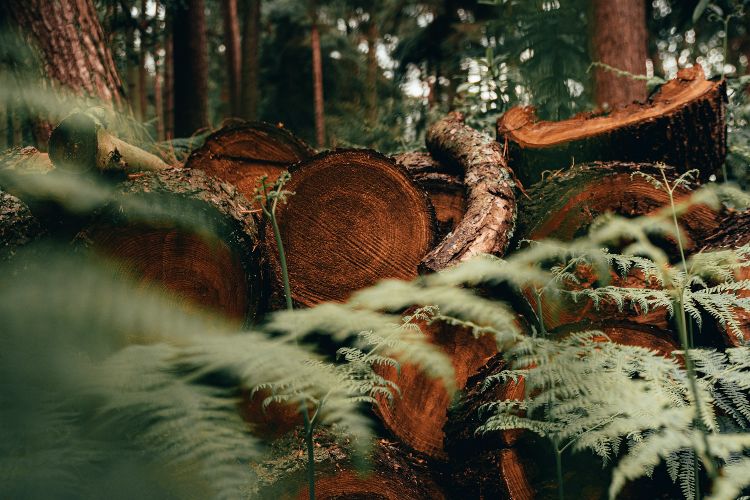
Third-party certification programs like the Forest Stewardship Council and the Sustainable Forestry Initiative set independent standards for responsible harvesting. Certified operations undergo regular audits to verify compliance with requirements around biodiversity, worker rights, community impact, and environmental protection. For consumers, certification labels on wood and paper products offer the most reliable way to confirm that materials came from a responsibly managed source.
Why the Materials You Choose Matter
Sustainable forestry responds to demand. When consumers, builders, and manufacturers choose certified wood and paper products, they create a market incentive for responsible harvesting practices. When they do not, economic pressure pushes in the opposite direction.
The materials in a wood floor, a paper package, or a framing stud all came from somewhere. Understanding how they were harvested and choosing sources that prioritise habitat protection and ecosystem health are among the most direct ways to support responsible forestry from outside the industry. When buying wood products, knowing what to look for can help you identify options that meet credible sustainability standards.
Why Responsible Harvesting is the Path Forward
Forests will continue to be harvested. Demand for timber, paper, and other forest products is not going away, and in many communities, forestry is a critical source of livelihoods and economic stability. The question is whether the forests being harvested are managed in a way that leaves something standing for the next generation.
Sustainable forestry practised with care and accountability makes that possible. The habitats, watersheds, and ecosystems that depend on healthy forests are fully compatible with responsible harvesting practices. Getting those practices right is what determines the outcome.